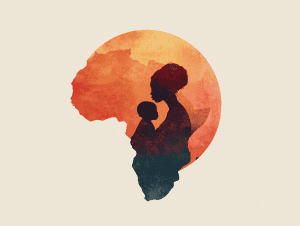

“Community-centered production that strengthens local economies while ensuring reliable access to essential supplies is an opportunity for long-term, sustainable success for maternal health.”
The Challenge We Address
One of the greatest barriers to improving maternal health outcomes in Africa is the difficulty of maintaining reliable supply chains for essential medical supplies.
- International supply chains are often expensive, slow, and vulnerable to disruption.
- Local supply chains may lack capacity, quality control, or technical expertise to meet international standards.
- Remote or conflict-affected areas face unique challenges where transport is limited, costs are high, and access is uncertain.
The result is dependency on fragile systems. Political instability, natural disasters, economic crises, or global health emergencies like COVID-19 can halt supply flows. Healthcare providers are left rationing supplies, compromising on quality, or going without life-saving materials altogether.
Our Solution
Bewelle address these challenges through local assembly programs that build community-based capacity for producing and distributing maternity kits and other essential supplies.
- We partner with local organizations, women’s cooperatives, and community enterprises to establish assembly operations.
- We conduct assessments of resources, skills, and market needs to design effective operations.
- We ensure quality control, market linkages, and sustainable financing, connecting local producers to healthcare facilities, NGOs, and government programs.
This model reduces dependency, creates jobs, and ensures essential supplies are always closer to the communities that need them.
Capacity Building & Training
A cornerstone of our program is comprehensive training and capacity building for local partners.
- Supply chain management: inventory systems, logistics, procurement
- Quality control: sterile packaging, international safety standards
- Business development: financial management, sustainability planning
- Technical skills: equipment handling, maintenance, and assembly operations
- Leadership and advocacy: empowering community members to become champions for maternal health
This practical, hands-on training equips partners not only to assemble supplies but to advocate for and sustain maternal health improvements in their communities.
Impact & Sustainability
Our local assembly model delivers wide-ranging benefits:
- Lives saved through reliable access to quality maternal health supplies
- Employment creation, particularly for women, contributing to economic empowerment
- Strengthened health systems with reduced dependency on external suppliers
- Innovation and adaptability in response to local challenges, seasonal needs, or new health threats
- Community ownership, turning local members into advocates for maternal health
Success is measured through production volumes, quality metrics, job creation, revenue generation, community feedback, and long-term sustainability.
Partnership & Expansion Opportunities
We invite collaboration with diverse partners:
- Development organizations: funding startup costs, providing technical assistance, supporting market development
- Corporate partners: offering expertise in supply chain management, quality control, and business strategy
- Government partners: creating enabling policy environments, providing public sector contracts, integrating local assembly into national supply chain strategies
- Academic partners: supporting research, evaluation, and training programs
The program is replicable and scalable. Once proven in one location, it can be adapted across communities and countries, creating a global ripple effect of sustainable, community-driven maternal health solutions.