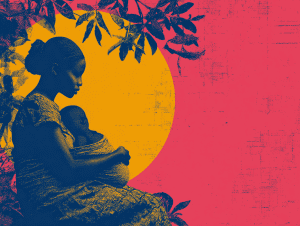

“Every two minutes, a woman dies from preventable causes related to pregnancy and childbirth. In Ethiopia, this tragedy unfolds times each day. But within this crisis lies an extraordinary opportunity; the chance to save thousands of lives and transform entire communities through innovative, compassionate action.”
Why start a new nonprofit organization?
In the highlands and lowlands of Ethiopia, where ancient traditions meet modern aspirations, a quiet crisis unfolds daily. Despite remarkable progress over the past two decades, Ethiopia still loses approximately 35 women every day to preventable causes related to pregnancy and childbirth. Behind each statistic is a mother, a daughter, a wife; someone whose life could have been saved with the right intervention at the right time.
This post presents a compelling case for establishing a new nonprofit organization dedicated to addressing the critical gaps in maternal health care in Ethiopia. Our research reveals that while significant investments have been made by major international organizations, fundamental challenges remain unaddressed: quality of care that drops dramatically from initial contact to actual service delivery, rural communities where half of all births occur without skilled attendance, and systemic barriers that prevent women from accessing life-saving care.
The opportunity before us is unprecedented. Ethiopia has demonstrated remarkable political will and progress in reducing maternal mortality by over 80% since 1985. The infrastructure foundation exists, but critical gaps in quality, accessibility, and community engagement create space for innovative interventions that could save thousands of lives annually.
We propose a new approach; one that combines cutting-edge technology with deep community engagement, evidence-based medical interventions with cultural sensitivity, and sustainable local capacity building with international expertise. This is not just another maternal health program; this is a transformative initiative that addresses root causes while delivering immediate, measurable impact.
The Human Story: Why This Matters Now
Fatima’s Journey
In the remote highlands of Ethiopia’s Amhara region, Fatima begins her day before dawn, as she has for the past eight months of her pregnancy. At 19 years old, she carries not just her first child, but the hopes and fears of her entire family. The nearest health center is a four-hour walk through mountainous terrain, a journey that becomes increasingly difficult as her pregnancy progresses.
Fatima represents one of the 40% of Ethiopian women who will receive fewer than four antenatal care visits during their pregnancy. She is among the 50% who will give birth without a skilled birth attendant present. If complications arise during her delivery—as they do for one in every six births globally—she faces a race against time that too often ends in tragedy.
But Fatima’s story doesn’t have to end this way. With the right interventions, her journey could be transformed. Imagine if she had access to mobile health technology that connected her to skilled healthcare providers throughout her pregnancy. Picture a community health worker trained to recognize danger signs and equipped to provide basic emergency care. Envision a transportation system that could get her to a well-equipped health facility within the critical golden hour when complications arise.
This is not just Fatima’s story. It is the story of millions of women across Ethiopia who face similar challenges every day. Each represents an opportunity for intervention, a life that can be saved, a family that can remain whole, and a community that can thrive.
The Ripple Effect of Maternal Death
When a mother dies in childbirth, the loss reshapes a family and a community.
Children who lose their mothers are ten times more likely to die within two years. Families can be pushed into poverty as they lose a caregiver and often a source of income. Communities lose leaders, mentors, and the social fabric that keeps people connected.
In Ethiopia, where women drive agriculture, run small business, and serve in community leadership, maternal death creates ripples that can last for generations. The economic toll is staggering. Each maternal death brings immediate medical costs and lost productivity, and it also erases decades of potential contribution to family stability and community wellbeing.
When mothers survive and thrive, the impact multiplies. Healthy mothers raise healthier children, contribute to household income, participate in local leadership, and interrupt cycles of poverty and poor health.
Investing in maternal health is a moral imperative and one of the most effective development interventions available.

Most importantly, Ethiopian communities have shown remarkable resilience and adaptability in the face of challenges. From the success of the Health Extension Program to community-based responses to recent conflicts, Ethiopians have demonstrated their capacity to innovate and implement solutions when given the right support and resources.
The Opportunity: Where Innovation Meets Impact
The Quality Gap: A Hidden Crisis
While much attention has been focused on expanding access to maternal health services, our research reveals a hidden crisis in the quality of care that women receive. The statistics are sobering: while 40% of Ethiopian women receive four or more antenatal care visits, only 12% receive quality-adjusted care that meets recommended standards.
This quality gap represents both a crisis and an opportunity. It means that women are making the effort to seek care, often at significant personal and financial cost, but are not receiving the life-saving interventions they need. It also means that relatively modest investments in quality improvement could have dramatic impact on maternal health outcomes.
The quality gap manifests in multiple ways: healthcare workers who lack up-to-date training in evidence-based practices, health facilities that lack essential equipment and supplies, and systems that fail to provide continuity of care across the pregnancy and delivery continuum. Each of these challenges represents an opportunity for targeted intervention that could save lives immediately.
Innovation Approaches to Maternal Health in Ethiopia
Traditional approaches have reached their limits in addressing Ethiopia’s remaining challenges. The women who continue to die from preventable causes are often the hardest to reach through conventional service delivery models. These include:
- rural women
- poor women
- women from marginalized communities
- women facing cultural barriers to care
Reaching these women requires solutions that go beyond building more health centers or training more healthcare workers. It calls for leveraging technology to overcome geographic barriers, working within cultural systems to address social barriers, and developing sustainable financing mechanisms to address economic barriers.
The opportunity for innovation in Ethiopian maternal health is unprecedented. Mobile health technologies that were experimental a few years ago are now proven and scalable. Community based service delivery models have demonstrated effectiveness in similar settings. Quality improvement methodologies have shown remarkable results in resource constrained environments.
The Ethiopian context also provides unique opportunities. The country’s diverse geography and cultures create natural laboratories for testing different approaches. The government’s commitment to health system strengthening offers a supportive policy environment. The presence of multiple international partners creates opportunities for collaboration and resource sharing.
Building Sustainable Maternal Health Solutions Beyond Ethiopia
One of the most significant opportunities in maternal health lies in developing sustainable, locally owned solutions that continue to deliver impact long after initial funding ends. Too many programs across the globe have failed to achieve lasting results because they relied on external funding and expertise without strengthening local capacity and ownership.
Ethiopia offers a powerful example. The country’s growing economy, expanding educated workforce, and improving health system create new possibilities for sustainable interventions. Local organizations are increasingly able to implement complex programs. Government systems are becoming more efficient and accountable. Private sector engagement in health is expanding, opening the door to innovative financing mechanisms. While these dynamics are specific to Ethiopia, they illustrate the kinds of enabling conditions that can support long-term success in other regions as well.
The key to sustainability is designing interventions that build local capacity from the start, create economic incentives for continued implementation, and align with government priorities and systems. This shift is essential not only in Ethiopia but in any context where maternal health outcomes depend on local ownership, long-term impact, and stronger systems rather than short-term projects.
Our Vision: A New Model for Maternal Health
Beyond Traditional Programming
We envision a new model for maternal health programming that addresses the root causes of maternal mortality while also delivering immediate and measurable impact. This model combines the strengths of traditional public health approaches with innovative technologies, community engagement strategies, and sustainable financing mechanisms.
Our approach recognizes that maternal health is not only a medical issue but also a social, cultural, economic, and political challenge that requires comprehensive solutions. Saving mothers’ lives cannot be achieved solely by building more health centers or training additional healthcare workers, although these remain important. We must also address:
- Cultural barriers that prevent women from seeking care
- Economic barriers that make care unaffordable
- Social barriers that limit women’s decision-making power
At the same time, our approach is evidence-based. We will not pursue innovation for its own sake but will carefully select and adapt interventions proven effective in similar settings. Our goal is not to reinvent maternal health programming but to apply proven solutions in innovative ways that meet Ethiopia’s specific challenges.
Technology as an Enabler
Technology will be central to our approach, serving as an enabler rather than an end in itself. It can help overcome traditional barriers to care while strengthening human connections and community systems.
- Mobile health technologies will connect rural women to skilled providers, offering real-time consultation, education, and emergency support. These tools will work with basic mobile phones, provide information in local languages, and ensure accessibility regardless of education level or income.
- Telemedicine platforms will link rural healthcare workers with specialists in urban centers, offering real-time support for complex cases and emergencies while building the capacity of local providers.
- Data management systems will support real-time monitoring of maternal health outcomes and quality of care, enabling continuous improvement and evidence-based decision making. They will also support research and evaluation so interventions can be refined over time.
Community at the Center
While technology is important, communities are at the heart of our approach. Sustainable change requires deep community engagement and ownership. External interventions, no matter how well designed, cannot succeed without community participation.
- We will work within existing social structures while promoting positive change.
- We will partner with traditional and religious leaders, as well as community influencers, to address cultural barriers to care.
- We will collaborate with women’s groups and community organizations to create support systems for pregnant women, while engaging men and families to promote women’s health and decision-making power.
Community health workers will serve as bridges between local communities and formal healthcare systems. They will be trained in clinical care, community mobilization, health education, and advocacy, supported with technology tools and ongoing supervision.
Above all, community ownership and leadership will be prioritized from the start. Communities will identify their priorities and co-develop solutions that reflect their values. Local capacity will be built to ensure lasting benefits long after direct external involvement ends.
Quality as the Foundation
Quality of care will underpin every intervention. Expanding access without ensuring quality is ineffective and can even be harmful, eroding trust in healthcare systems.
Our comprehensive quality improvement approach will address:
- Clinical quality through evidence-based protocols, essential supplies, and training
- Patient experience to build trust and encourage care-seeking
- Cultural appropriateness to respect community values and traditions
- System efficiency to maximize impact with available resources
Quality improvement will be data-driven with real-time monitoring and feedback. Both quantitative indicators and qualitative insights from patients and providers will guide adjustments.
Most importantly, quality improvement will be sustainable. We will work with government systems and local organizations so that quality assurance becomes part of routine healthcare delivery, not a temporary initiative.
The Evidence: Why Our Approach Will Work
Learning from Success Stories
Our approach is grounded in evidence from successful maternal health interventions in Ethiopia and similar settings. Ethiopia’s own success in reducing maternal mortality by over 80% since 1985 demonstrates that dramatic improvements are possible when the right interventions are implemented at scale.
The Health Extension Program, which deploys community health workers to provide basic health services at the community level, has shown remarkable success in reaching rural and marginalized populations. This program provides a foundation for our community-based approach and demonstrates the potential for scaling innovative interventions through government systems.
Mobile health interventions have shown promising results in other African countries, with studies demonstrating improvements in antenatal care attendance, skilled birth attendance, and maternal health knowledge. These interventions have been particularly effective in reaching rural and marginalized populations who have limited access to facility-based care.
Quality improvement initiatives in resource-constrained settings have demonstrated that significant improvements in care quality are possible with relatively modest investments. Studies from Kenya, Ghana, and other African countries show that facility-based quality improvement can reduce maternal mortality by 30-50% within 2-3 years.
The Ethiopian Advantage
Ethiopia offers unique advantages for implementing innovative maternal health interventions. The government’s strong commitment to strengthening the health system and improving maternal health creates a supportive policy environment. The presence of multiple international partners further expands opportunities for collaboration and resource sharing.
Ethiopia’s diverse geography and cultures provide natural laboratories for testing different approaches and adapting interventions to local contexts. The federal system allows for regional variation in implementation while maintaining national coordination and standards.
Most importantly, Ethiopian communities have demonstrated remarkable resilience and adaptability in the face of challenges. From responding to natural disasters to adopting new technologies, Ethiopians have shown their capacity to innovate and sustain solutions when provided with the right support and resources.
Addressing the Skeptics
Some may question whether another maternal health initiative is needed in Ethiopia, given the number of international partners already active in this space. However, research reveals that despite significant investments, critical gaps remain unaddressed by existing programs.
The quality gap in maternal health services remains a fundamental challenge. Many current efforts focus on expanding access, but not on improving the quality of care. As a result, women may receive services that are substandard and insufficient to save lives.
Geographic and cultural barriers also continue to prevent many women, especially in rural and marginalized communities, from accessing care. Existing programs often struggle to reach these populations effectively, leaving room for innovative approaches that can overcome traditional barriers.
Finally, sustainability remains a weakness in many initiatives, which rely heavily on external funding and expertise. Our approach emphasizes local ownership and capacity building from the very beginning, creating a foundation for long-term impact that extends well beyond the lifespan of any single program.
The Impact: What Success Looks Like
Immediate Outcomes
Within the first three years of implementation, we project significant improvements in key maternal health indicators in our target areas. Based on evidence from similar interventions, we anticipate:
- 40% increase in quality antenatal care
From the current 12% to over 17% in target areas. This improvement will result from quality initiatives at health facilities, support from community health workers, and mobile health interventions that connect women to care. - 25% increase in skilled birth attendance
From the current 50% to over 62% in target areas. This will be driven by community engagement efforts that reduce cultural barriers, transportation support for emergencies, and quality improvements that build trust in facility-based care. - 30% reduction in maternal mortality
Based on the combined effect of improved quality of care, increased skilled birth attendance, and stronger management of obstetric emergencies. This reduction translates to approximately 200 lives saved annually in our initial target areas.
These immediate outcomes will be achieved through direct service delivery improvements while also creating a foundation for long-term impact through strengthened systems and deeper community engagement.
Long-term Transformation
Our ultimate vision extends beyond immediate results toward lasting transformation of maternal health systems and communities. Within ten years, we envision:
- Self-sustaining quality improvement systems embedded in government structures and supported by local organizations, continuing progress long after direct involvement ends.
- Empowered communities that actively advocate for women’s health, hold healthcare systems accountable, and enable women and families to make informed decisions about care.
- Proven innovations replicated globally, with technologies and approaches tested in Ethiopia being adapted in other countries to accelerate progress toward ending preventable maternal deaths.
- Strengthened health systems that deliver high-quality, accessible, and culturally appropriate care for all women, regardless of geography, income, or cultural background. These systems will serve as models for other regions.
The Multiplier Effect
The benefits of this work will extend far beyond the direct recipients, creating ripple effects that transform entire communities and regions. Healthy mothers raise healthier children, contribute to household income, and participate in community leadership. Preventing maternal deaths and disabilities generates substantial economic benefits, with each life saved representing decades of productive contribution.
Capacity building and technology transfer will ensure continued benefits:
- Healthcare workers trained in evidence-based practices will carry those skills throughout their careers.
- Community health workers will sustain support networks and mentor future workers.
- Technology platforms will keep women connected to care and strengthen quality improvement efforts.
Most importantly, this work will foster cultural change. As communities see the benefits of investing in women’s health, they will advocate for ongoing improvements and expanded services. This shift in norms and expectations around women’s health and rights may become the most lasting impact of all.
The Call to Action: Join Us in Saving Lives
For Philanthropists & Major Donors
We invite philanthropists and major donors to join us in an unprecedented opportunity to save thousands of lives and transform communities. Your investment in maternal health in Ethiopia will generate immediate, measurable impact while building sustainable systems that continue to deliver benefits for decades.
Unlike many development efforts that yield modest improvements over long periods, maternal health interventions can demonstrate dramatic, life-saving impact within months. Every dollar invested in quality maternal health care can save multiple lives and prevent countless cases of disability and suffering.
Your support will not fund another program. It will catalyze a new approach to maternal health that addresses root causes while delivering immediate impact. You will be part of pioneering innovative solutions that can be replicated globally, multiplying the effect of your investment far beyond Ethiopia.
We offer multiple levels of engagement:
- Major gifts that support comprehensive programming
- Targeted investments in specific innovations or geographic areas
- Donor engagement opportunities including program visits and impact reports
Most importantly, you will be part of a movement that is transforming maternal health worldwide. Your investment will help achieve the Sustainable Development Goal of ending preventable maternal deaths by 2030, leaving a legacy that benefits generations of women and families.
For Corporate Partners
We invite corporate partners to create shared value through maternal health programming that benefits communities while advancing business objectives. Corporate engagement in maternal health offers unique opportunities for employee engagement, brand differentiation, and market development while delivering significant social impact.
- Technology companies can co-develop and test digital health solutions that can scale globally.
- Healthcare companies can contribute expertise and products while gaining insights into emerging markets.
- Financial services companies can help design innovative financing mechanisms to make healthcare more affordable.
Corporate partnerships may include financial contributions, in-kind donations, employee volunteer programs, and technical expertise. Each partnership is tailored to align with business objectives while maximizing social impact.
These collaborations are designed to be mutually beneficial, enabling companies to demonstrate social responsibility while gaining valuable experience in emerging markets and innovative global health approaches.
For Government Partners
We invite government partners at all levels to strengthen health systems and improve maternal health outcomes with us. Our approach is designed to complement government efforts, working within existing structures while introducing innovations that can be scaled and sustained.
We provide:
- Technical assistance and capacity building to improve planning, implementation, and evaluation
- Evidence and evaluation tools to guide policy development and resource allocation
- Facilitation of partnerships and coordination to maximize the impact of government investments
Our work is guided by principles of country ownership and alignment with national priorities. We strengthen rather than compete with government systems. Sustainable maternal health improvements require strong government leadership, and our role is to support those efforts at every level.
For Individual Supporters
We invite individual supporters to join our movement to save mothers’ lives in Ethiopia. Every contribution, regardless of size, makes a difference. Your support funds:
- Community health workers
- Mobile health technologies
- Quality improvement initiatives
- Emergency transportation for women in childbirth
Individual supporters are the backbone of this movement. Beyond financial contributions, your advocacy and awareness-building extend our reach. Your voice helps raise awareness and inspire action.
Ways to engage include monthly giving, special campaigns, and events. Supporters receive regular updates, impact stories, and opportunities to visit programs and witness change firsthand.
Most importantly, you will be part of a community dedicated to ensuring that no woman dies from preventable causes in pregnancy and childbirth. Together, we can build a world where every pregnancy is wanted, every childbirth is safe, and every mother survives to raise her children.
BeWelle is Seeking Support
There is opportunity before us to make a difference. Ethiopia has demonstrated remarkable progress in reducing maternal mortality, showing that change is possible when political will, community engagement, and targeted interventions align. The infrastructure exists, the government is committed, and communities are ready.
Yet challenges remain. Quality gaps mean women are seeking care but not receiving the life-saving interventions they need. Geographic and cultural barriers still prevent access. Sustainability remains fragile in many programs.
We have the knowledge, tools, and proven interventions to overcome these challenges. What is needed now is commitment and resources to scale solutions. Every day, 35 women in Ethiopia die from preventable causes. Every month, more than 1,000 women are lost. Every year, over 12,000 families are devastated.
But every day also brings opportunity. Each intervention has the potential to save lives. Each woman reached can become an advocate. Each community engaged can inspire others.
The time for action is now. The opportunity is unprecedented. The potential for impact is extraordinary.
Join us in transforming maternal health in Ethiopia. Join us in saving lives. Join us in building a future where every mother survives to raise her children and contribute to her community.
Together, we can make this vision a reality. Together, we can ensure that Fatima’s story and the stories of millions of women like her end not in tragedy but in triumph.
For more information about partnership opportunities and how to support our work, please contact us. Together, we can transform maternal health in Ethiopia and save thousands of lives.